How Ceramic Coating in Albuquerque Reduces the Need for Washings in Ceramic Coating Albuquerque, NM
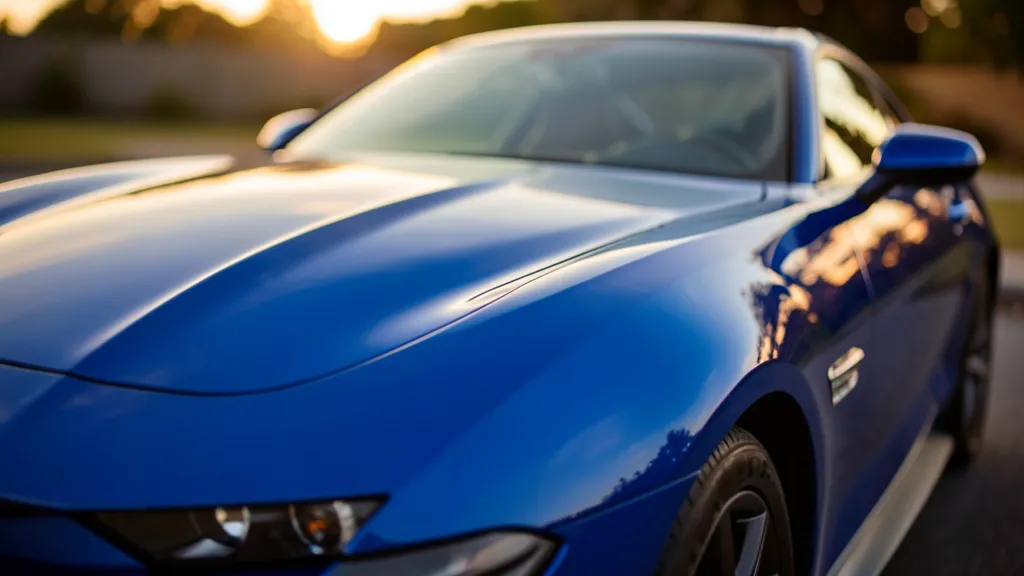
Albuquerque’s high-desert climate bombards vehicles with dust, UV rays, and hard water spots. A professional ceramic coating creates a hydrophobic barrier that sheds grime effortlessly, drastically reducing how often you need to wash. We’ll explain the science, benefits, and local considerations for drivers in central New Mexico.
Why Albuquerque’s Climate Demands Extra Paint Protection
Our intense UV exposure accelerates paint oxidation, fading clear coats faster than in milder regions. Dust storms and road grit embed into untreated surfaces, causing micro-scratches that dull finishes over time.
Hard water minerals in local car washes leave stubborn spots that etch into paint if not removed quickly. A ceramic coating’s slick surface prevents these minerals from bonding, preserving your vehicle’s gloss between washes.
The Hydrophobic Effect: How Ceramic Coatings Repel Dirt and Water
Ceramic coatings use silicon dioxide (SiO2) nanoparticles to form a glass-like layer over your paint. This creates a surface with extremely high contact angles, causing water to bead and roll off instantly.
As water sheets away, it carries dust, pollen, and road film with it. This self-cleaning effect means light rain can often replace a manual wash, especially for daily-driven vehicles in Rio Rancho or Corrales.
After a ceramic coating application, avoid automatic car washes with harsh brushes for at least two weeks. Stick to touchless or hand-wash methods to let the coating fully cure.
Ceramic Coating vs. Traditional Wax: A Direct Comparison
Unlike wax, which lasts 1–3 months and degrades under UV exposure, ceramic coatings bond chemically to your paint. This creates a semi-permanent layer that resists heat, chemicals, and abrasion far longer.
Wax requires frequent reapplication and offers minimal protection against Albuquerque’s alkaline dust. Ceramic coatings, however, maintain their hydrophobic properties for 2–5 years with proper care.
| Feature | Ceramic Coating | Traditional Wax |
|---|---|---|
| Durability | 2–5 years | 1–3 months |
| UV Protection | High (blocks 99% of rays) | Low (degrades quickly) |
| Hydrophobic Effect | Extreme (water beads at 110°+ contact angle) | Moderate (fades over time) |
| Contaminant Resistance | High (repels dust, tar, bird droppings) | Low (requires frequent reapplication) |
| Maintenance | Low (self-cleaning, occasional touch-ups) | High (reapply every few weeks) |
| Heat Resistance | Up to 1,800°F | Melts at ~180°F |
How Often Should You Wash a Ceramic-Coated Car in New Mexico?
With a ceramic coating, you can safely extend wash intervals to every 4–8 weeks for most drivers. The coating’s slickness means dirt doesn’t adhere as stubbornly, so a quick rinse often suffices.
In dusty areas like Los Lunas or Bernalillo, we recommend a bi-weekly rinse to prevent buildup. Avoid harsh soaps—use pH-neutral shampoos to preserve the coating’s integrity.
Does Ceramic Coating Eliminate the Need for Paint Correction?
No—ceramic coatings amplify your paint’s condition but won’t fix existing imperfections. Swirl marks, scratches, or oxidation must be addressed with paint correction and polishing before applying a coating.
Our team often combines paint correction with ceramic coating services for vehicles in Los Ranchos de Albuquerque. This ensures the coating bonds to a flawless surface, maximizing gloss and longevity.
Applying ceramic coating over swirl marks or scratches will lock in those flaws permanently. Always correct the paint first for optimal results.
Additional Protective Services to Pair with Ceramic Coating
For full vehicle armor, consider adding paint protection film (PPF) to high-impact areas like the hood and bumper. PPF absorbs rock chips while ceramic coating handles chemical and UV resistance.
Ceramic window tint reduces interior heat and UV damage, while wheel and brake caliper coatings prevent brake dust from fusing to your rims. Interior ceramic protection keeps dashboards and leather from cracking under our dry climate.
Maintaining Your Ceramic Coating in Albuquerque’s Conditions
Use a high-quality ceramic spray sealant every 3–6 months to refresh hydrophobic properties. This is especially useful after monsoon season, when roads are coated with extra grime.
Avoid parking under trees to prevent sap and bird droppings, which can etch into the coating if left too long. For fleet vehicles, consider a maintenance plan to keep coatings performing at peak levels.
Ceramic Coating Maintenance Checklist
- Wash with pH-neutral shampoo every 4–8 weeks
- Apply ceramic spray sealant every 3–6 months
- Use a microfiber wash mitt to prevent scratches
- Remove bird droppings/sap immediately with a quick detailer
- Avoid automatic brush car washes
How to Prepare Your Car for Ceramic Coating in Albuquerque
Proper prep is 80% of a successful ceramic coating application—here’s how to ensure your vehicle is ready.
- 1Deep Clean the Surface
Start with a thorough wash using a decontamination clay bar to remove embedded particles. This step is critical in dusty areas like Corrales or Rio Rancho.
- 2Perform Paint Correction
Use a dual-action polisher to remove swirl marks, oxidation, and light scratches. This ensures the coating bonds to a smooth, defect-free surface.
- 3Decontaminate with Isopropyl Alcohol
Wipe down the entire vehicle with a 50/50 isopropyl alcohol and water mix to remove any remaining oils or polish residues.
- 4Work in a Controlled Environment
Apply the coating in a dust-free, temperature-controlled space (ideally 60–80°F). Avoid direct sunlight, which can cause premature curing.
- 5Apply in Thin, Even Layers
Use a high-quality applicator pad to spread the coating in small sections. Over-application can lead to streaking or uneven curing.
- 6Allow Proper Curing Time
Let the coating cure for at least 24 hours before exposing the vehicle to water or sunlight. Full bonding takes 7–14 days.
Frequently Asked Questions
Will ceramic coating make my car completely maintenance-free in Albuquerque?
No, but it drastically reduces upkeep. You’ll still need occasional washes to remove heavy dust or contaminants like tar. The coating simply makes cleaning faster and less frequent. For best results, pair it with regular maintenance.
How does ceramic coating perform against Albuquerque’s hard water spots?
The hydrophobic surface prevents hard water minerals from adhering as strongly. When they do land, they’re easier to rinse off before etching occurs. This is a major advantage over unprotected paint, which can develop permanent spots.
Can I apply ceramic coating myself, or should I hire a professional in Ceramic Coating Albuquerque?
DIY kits exist, but professional application ensures proper paint correction, even coating, and optimal bonding. Mistakes like improper prep or uneven layers can ruin the finish. For Albuquerque’s harsh conditions, we recommend expert installation.
Does ceramic coating protect against rock chips or scratches?
Ceramic coatings add a hard layer that resists light scratches and swirl marks, but they won’t stop rock chips. For that, combine it with paint protection film (PPF) on high-impact areas like the front bumper and hood.
How long does a ceramic coating last in New Mexico’s climate?
With proper care, a professional-grade ceramic coating lasts 2–5 years in Albuquerque. Factors like parking habits, wash frequency, and exposure to extreme heat or dust storms can affect longevity. Request a quote to discuss options tailored to your vehicle.
Is ceramic coating worth it for older cars in Los Ranchos de Albuquerque?
Absolutely—if the paint is in decent condition. Ceramic coating can restore gloss and protect aging clear coats from further UV damage. However, heavily oxidized or peeling paint may need restoration before coating.