The Complete Guide to Decontaminating Paint Before Ceramic Coating in Albuquerque in Ceramic Coating Albuquerque, NM
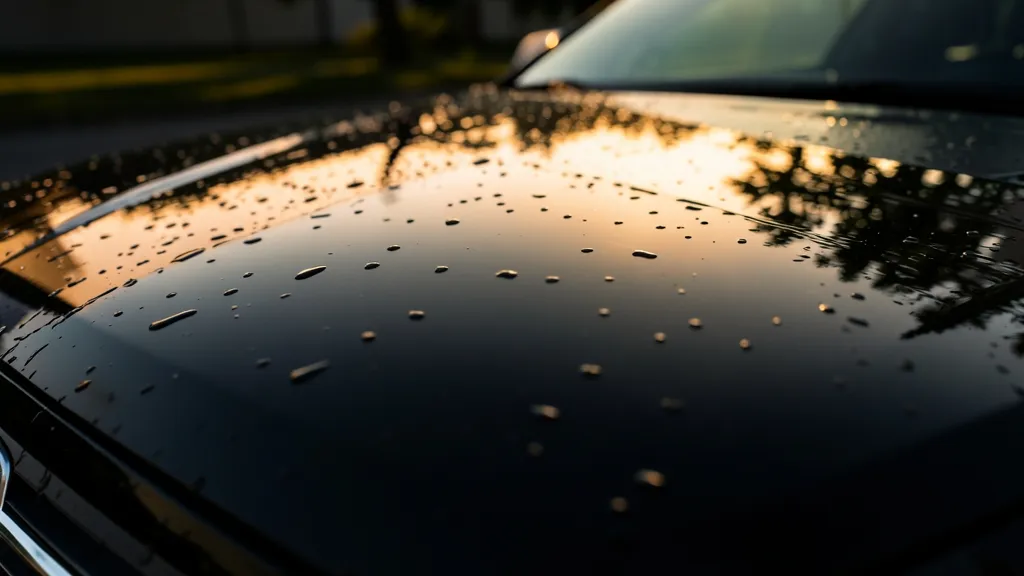
Ceramic coatings bond permanently to your paint—so any trapped contaminants become permanent too. In our high-UV, dusty Albuquerque climate, proper decontamination isn’t optional; it’s the foundation of a coating that lasts. We’ll walk you through the exact process our team uses before every full-vehicle ceramic coating or PPF installation.
Why Decontamination Is Non-Negotiable for Ceramic Coating Adhesion
Ceramic coatings chemically bond to your clear coat. If iron particles, tar, or industrial fallout sit between the coating and paint, adhesion fails—leading to premature peeling or hazing.
Albuquerque’s dry, windy seasons embed grit deep into pores. Even a fresh wash won’t remove it. Skipping decon means your coating seals in damage, not protection.
A quick wash and dry won’t cut it. True decontamination requires chemical and mechanical steps to lift embedded contaminants.
Step 1: The Two-Bucket Wash Method to Remove Surface Grime
Start with a high-pH automotive shampoo to break down road film and oils. Use separate buckets for your mitt and rinse water to avoid reintroducing dirt.
Work in sections, top to bottom. Grit guards in your buckets trap particles at the bottom, preventing swirls. This is critical prep for any ceramic coating, PPF, or paint correction in Rio Rancho or Corrales.
Step 2: Chemical Decontamination—Iron and Fallout Removers
Spray an iron-remover gel (like P&S Brake Buster or CarPro Iron X) onto dry panels. It turns purple as it dissolves brake dust and rail dust embedded in your paint.
Agitate with a microfiber towel, then rinse. For industrial fallout in Bernalillo or Los Lunas, a dedicated fallout remover may be needed for stubborn spots.
| Contaminant | Recommended Product Type | Application Method |
|---|---|---|
| Iron particles (brake/rail dust) | Iron remover (pH-neutral) | Spray on, dwell 3-5 min, rinse |
| Tar and adhesive residues | Tar remover or citrus-based cleaner | Apply with towel, agitate, wipe off |
| Industrial fallout | Fallout remover (alkaline) | Spray, agitate with brush, rinse |
| Water spots (mineral deposits) | Water spot remover or diluted vinegar | Apply, let dwell, wipe or rinse |
Step 3: Mechanical Decontamination—Clay Bar vs. Clay Mitt
After chemical decon, a clay bar or mitt lifts embedded contaminants the spray couldn’t reach. Lubricate with detailer spray or soapy water to prevent marring.
We prefer clay mitts for larger vehicles or fleet coating jobs—they’re faster and less messy. For delicate paint on classic cars in Los Ranchos de Albuquerque, a traditional clay bar offers more control.
After washing, run your fingers (in a plastic bag) over the paint. If it feels rough, it’s contaminated—clay is required.
Step 4: Final Cleanse—Prepping for Coating or Correction
Post-clay, wash the vehicle again with a high-foaming shampoo to remove clay residue. Then, use a panel prep solution (isopropyl alcohol mix) to strip any remaining oils or polishes.
This step is critical before paint correction, PPF installation, or ceramic coating. It ensures a perfectly clean surface for maximum adhesion, especially under our intense New Mexico sun.
When to Call in the Pros for Paint Correction Before Coating
If your paint has swirls, oxidation, or water spots, decontamination alone won’t fix it. Paint correction with a DA polisher restores clarity before coating.
Our team often combines correction with ceramic coating in Albuquerque for a showroom finish. For heavily damaged paint, we may recommend a two-step polish or even a light wet-sand.
Albuquerque’s high altitude means thinner air—and more UV exposure. Paint correction here often requires extra passes to fully remove oxidation.
Tools and Products You’ll Need for DIY Decontamination
Invest in quality microfiber towels, a clay mitt or bar, iron remover, and a pH-balanced shampoo. A foam cannon for your pressure washer helps lift dirt without scratching.
For wheel and brake caliper ceramic coating, use dedicated wheel cleaners and iron removers—brake dust here is some of the worst we see in the Southwest.
Essential Decontamination Kit
- Two buckets with grit guards
- High-pH automotive shampoo
- Iron remover spray
- Clay bar or clay mitt
- Detailer spray (clay lubricant)
- Microfiber wash mitts and towels
- Isopropyl alcohol (70% or higher) for final wipe-down
- Foam cannon (optional but recommended)
How to Clay Your Car Before Ceramic Coating
Claying removes embedded contaminants that washing can’t. Follow these steps for a glass-smooth finish.
- 1Wash the Vehicle Thoroughly
Use the two-bucket method to remove all surface dirt. Dry completely with a clean microfiber towel.
- 2Spray Lubricant on a Small Section
Work in 2x2-foot areas. Spray detailer or soapy water onto the panel and your clay bar or mitt.
- 3Gently Rub the Clay Over the Paint
Use light pressure in straight lines, not circles. The clay will pick up contaminants, becoming visibly dirty.
- 4Wipe and Inspect
After each pass, wipe the area with a clean towel. Re-lubricate and repeat until the clay glides smoothly.
- 5Rinse and Rewash
Once all panels are clayed, rinse the vehicle and wash again to remove any clay residue.
Frequently Asked Questions
Can I skip decontamination if my car looks clean?
No. Even a freshly washed car can have embedded iron particles or fallout invisible to the eye. Skipping decon risks poor adhesion and coating failure, especially in Albuquerque’s harsh climate.
How often should I decontaminate my car before ceramic coating?
Decontamination is a one-time prep step before applying ceramic coating. However, we recommend a light decon (iron remover and clay) every 6-12 months to maintain the coating’s performance.
Is a clay mitt better than a clay bar for ceramic coating prep?
Both work, but a clay mitt is faster and less likely to drop and contaminate the ground. For intricate areas or classic cars, a clay bar offers more precision. Our team uses both depending on the job.
What’s the biggest mistake DIYers make when decontaminating?
Using a dirty towel or mitt during the process, which reintroduces contaminants. Always use clean microfiber and fresh lubricant for each section. Also, skipping the final isopropyl alcohol wipe-down leaves residues that can interfere with adhesion.
Do I need to decontaminate wheels and calipers separately before ceramic coating?
Absolutely. Wheels and calipers accumulate heavy brake dust and tar. Use a dedicated wheel cleaner and iron remover, then clay if necessary. This is critical for wheel and brake caliper ceramic coating to last.
How does Albuquerque’s climate affect decontamination needs?
Our dry, dusty conditions and intense UV mean contaminants embed faster and deeper. Vehicles here often require more aggressive decon—like multiple clay passes or stronger fallout removers—compared to areas with milder climates.