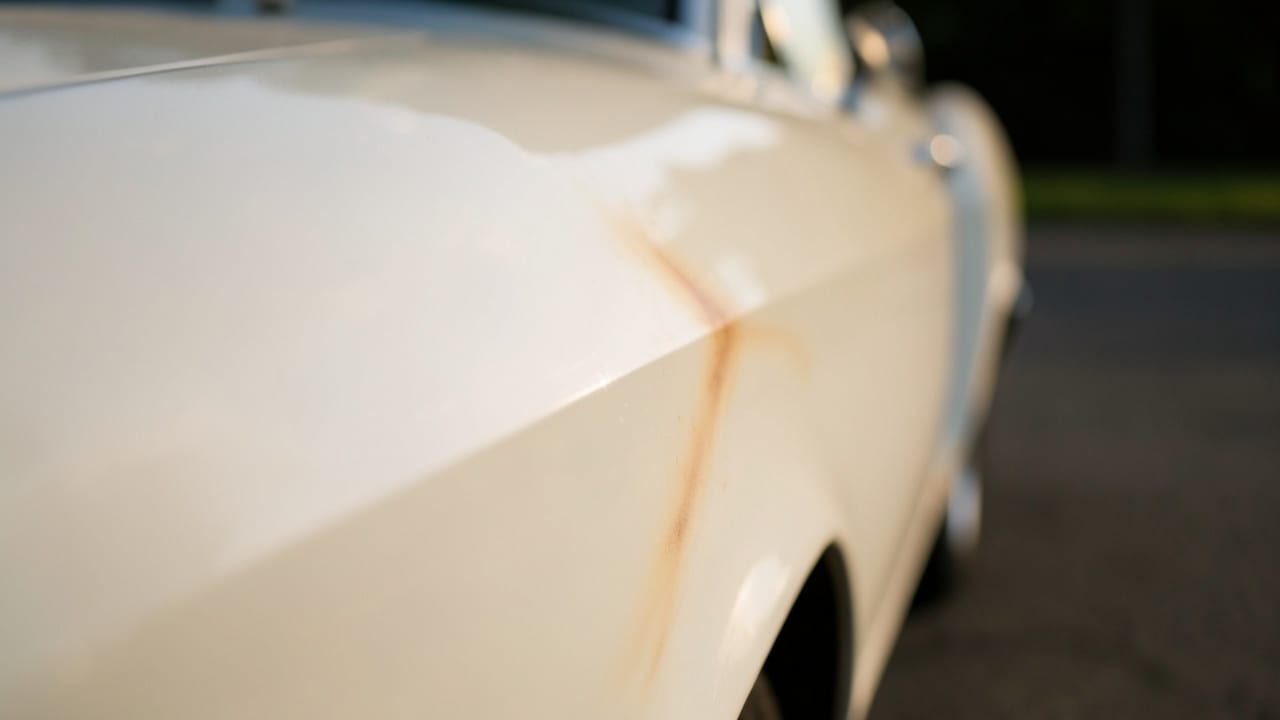
Oxidation Removal
Professional removal of oxidation from vehicle paint to restore clarity and prepare surfaces for ceramic coating.
In Albuquerque’s intense sun and fluctuating weather, vehicle paint oxidizes quickly, losing its gloss and vibrancy. Oxidation removal restores your car’s finish by carefully polishing away the dull, chalky layer caused by UV exposure and embedded contaminants like brake dust or tree sap.
This process reveals a smoother, more protective surface underneath, extending the life of your paint and keeping it looking like new.
We also handle Ceramic Window Tint and Wheel & Brake Caliper Ceramic Coating for Albuquerque vehicles.
Why oxidation removal is different here
Albuquerque’s dry climate and high UV exposure accelerate oxidation, but the real challenge isn’t just the sun—it’s the contaminants that bond to your paint. Brake dust from heavy traffic, tar from roadwork, and sap from cottonwood trees embed into the clear coat, creating a gritty texture that regular washing misses.
These contaminants often leave tiny specks or a faint shadow after cleaning, signaling they’re already bonded below the surface.
Unlike general detailing, oxidation removal targets *specific* contaminants with tailored chemistry. For example, iron particles from brake dust require an acid-based remover, while tar needs a solvent-based solution. Skipping the right product can smear the contaminant, turning a quick fix into a deeper issue.
The goal isn’t just to make your car *look* cleaner—it’s to remove what’s actually harming the paint.
Signs You Need Oxidation Removal (Not Just a Wash)
- Tiny dark specks remain after soap-and-water washing, especially on light-colored paint.
- Your paint feels bumpy or gritty when touched, even after a thorough clean.
- Tar or sap spots leave a faint shadow when wiped or reappear in the same spot after parking.
- Orange or rust-colored specks appear behind the front wheels (brake dust embedded in the clear coat).
- Your car’s gloss has faded unevenly, with some panels looking dull while others retain shine.
What affects the process (and your car’s outcome)
The success of oxidation removal depends on two things: identifying the contaminant correctly and treating it before it etches the paint. For example, brake dust left untreated for weeks can etch the clear coat, while fresh tar can often be dissolved without polishing.
The longer contaminants sit, the more aggressive the removal process must be—sometimes requiring compounding or machine polishing to reach the embedded layer.
Albuquerque’s mix of highway driving, cottonwood trees, and industrial areas means contaminants vary by location. Cars parked near Rio Rancho’s busy roads or under cottonwoods in Corrales often need targeted treatments for brake dust or sap.
The key is catching contaminants early: bird droppings, bug splatter, or road tar rinsed off within 48 hours are far easier to remove than spots that’ve baked into the paint.
| Contaminant Type | Common Albuquerque Source | Removal Challenge | Risk If Untreated |
|---|---|---|---|
| Brake dust (iron particles) | Highway driving, stop-and-go traffic | Bonds to clear coat over time; feels gritty | Etches paint, reduces gloss permanently |
| Tree sap (cottonwood/pine) | Parking under trees in Corrales or Placitas | Sticky residue; hardens in sun | Stains paint if not removed within days |
| Tar/road adhesive | Construction zones, highway shoulders | Sticky and solvent-resistant | Leaves dull spots or adhesive marks |
| Bird droppings | Urban areas (Rio Rancho, North Valley) | Acidic; eats paint if left | Pits clear coat, requires compounding to fix |
| Industrial fallout | Near Kirtland AFB or industrial areas | Fine particles embed deeply | Creates micro-scratches, dulls finish |
Aftercare: keeping your paint protected
Oxidation removal strips away some of your paint’s existing protection layer, leaving it vulnerable until a new sealant or coating is applied. Skipping this step means the next round of contaminants will bond faster.
A spray sealant or topper applied immediately after treatment adds a slick barrier that repels new contaminants, buying you more time before the next decontamination is needed.
Regular maintenance—like washing every 2–4 weeks with a pH-balanced cleaner and reapplying sealant every 3–6 months—does more to prevent oxidation than any single treatment.
Parking in shaded areas (like garages or under carports) also slows sun damage, but even then, Albuquerque’s altitude and UV levels mean contaminants still need targeted removal when they appear.
If you park under cottonwoods or near heavy traffic, spot-check your paint weekly for embedded contaminants. A quick wipe with a microfiber cloth and isopropyl alcohol can reveal bonded spots before they require full removal. This early action prevents what would otherwise need compounding or machine polishing later.
How oxidation removal works
This process goes beyond polishing—it’s a targeted cleanup tailored to your car’s specific contaminants.
- 1Contaminant Identification
The affected areas are inspected under direct light to identify the contaminant (brake dust, sap, tar, etc.). Each type requires a different chemistry, so misidentifying it can worsen the problem.
- 2Chemical Treatment
A specialized product (e.g., iron remover for brake dust, tar solvent for adhesive) is applied to the contaminant and left to dwell, breaking down the bond without scrubbing, which can scratch the paint.
- 3Mechanical Lift (If Needed)
For stubborn contaminants, a clay bar or mitt is used with a lubricant to gently lift embedded particles without dragging grit across the surface.
- 4Rinse and Inspection
The area is rinsed clean, and the paint is inspected under natural light to confirm the contaminant is fully removed—not just less visible.
- 5Protective Follow-Up
A spray sealant or coating topper is applied to restore the paint’s protective layer, which was disturbed during contaminant removal.
Frequently asked questions
Will oxidation removal fix swirl marks or light scratches?
No—oxidation removal targets contaminants and the chalky layer caused by UV exposure, not physical scratches. Swirl marks or deep scratches require dedicated paint correction before (or instead of) oxidation removal. Applying a coating over unaddressed swirls will lock them in permanently.
How often should I get oxidation removal in Albuquerque?
It depends on exposure: cars parked under cottonwoods or driven heavily on highways may need treatment every 6–12 months, while others can go 18–24 months. The key is addressing contaminants *before* they bond—rinsing off bird droppings or tar within 48 hours prevents them from becoming a full removal job later.
Can I do oxidation removal myself?
DIY kits exist, but they often lack the specialized chemistry or tools needed for deep-seated contaminants like brake dust or baked-on tar. Improper treatment can scratch the paint or smear contaminants. For embedded issues, professional tools (like dual-action polishers) and contaminant-specific products are safer and more effective.
Does oxidation removal include a ceramic coating?
Not always. Some services offer oxidation removal alone, while others bundle it with a coating. If you want a coating, ask whether it’s a single-layer sealant or a multi-layer ceramic (and how long it’s expected to last). Also confirm if the quote includes full prep—like decontamination, clay bar, and iron removal—or just ‘prep’ as a single step.
Where Albuquerque sits, and what the Census lists nearby
Albuquerque sits in New Mexico, and the closest places listed in the U.S. Census Gazetteer are Los Ranchos de Albuquerque (4 miles north), North Valley (4.9 miles north), Kirtland AFB (6.2 miles southeast), South Valley (6.9 miles south).
Within 25 miles of Albuquerque the same source lists 40 distinct incorporated places and census-designated places.
Those figures matter for oxidation removal because they are straight-line distances between Census coordinate points: road mileage between Albuquerque and Los Ranchos de Albuquerque runs longer than the 4 miles shown, which is why quotes for the same job differ between towns that look close together on a map.
Source: U.S. Census Bureau Gazetteer.
See Belen, NM for more, or browse every option available in Albuquerque by service type for our complete lineup.
Ready to get started?
Talk to a local ceramic coating pro in Albuquerque — get a written quote.
Other Ceramic Coating Services in Albuquerque
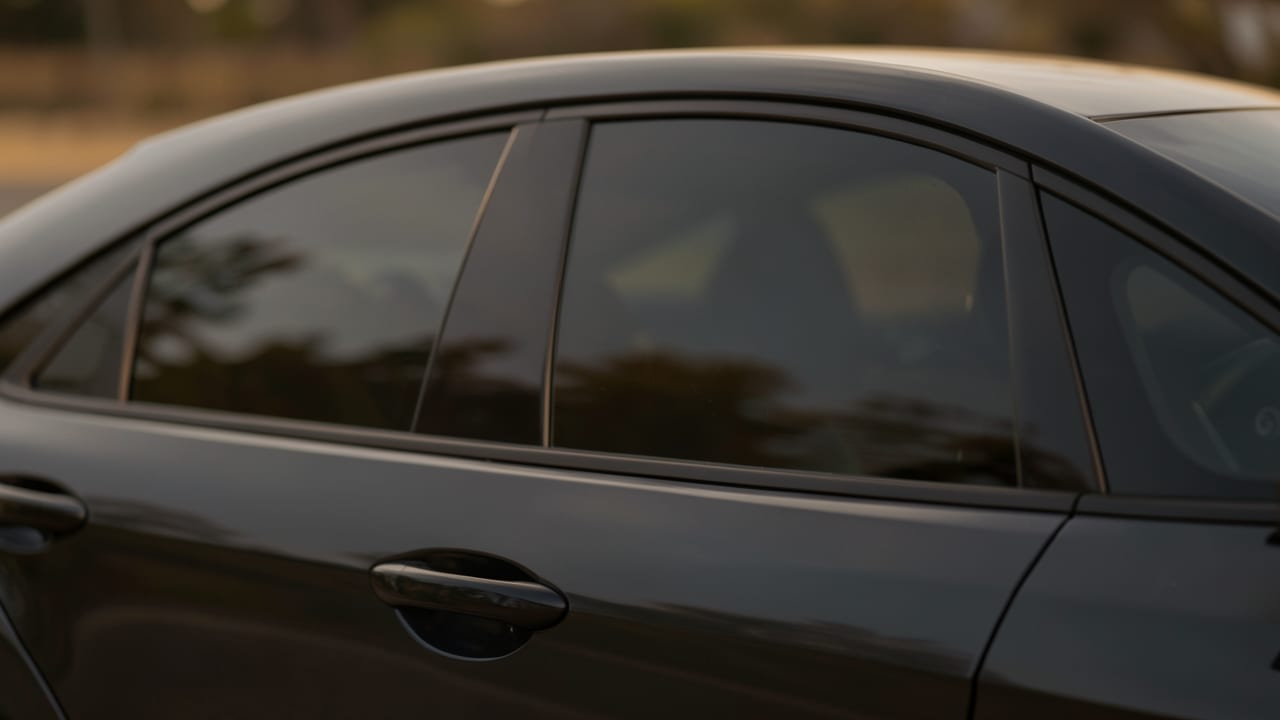
Ceramic Window Tint in Albuquerque, NM
Nano-ceramic window tint in Albuquerque, NM — rejects heat and blocks 99% of UV without the signal interference or fading of cheaper films.
Learn More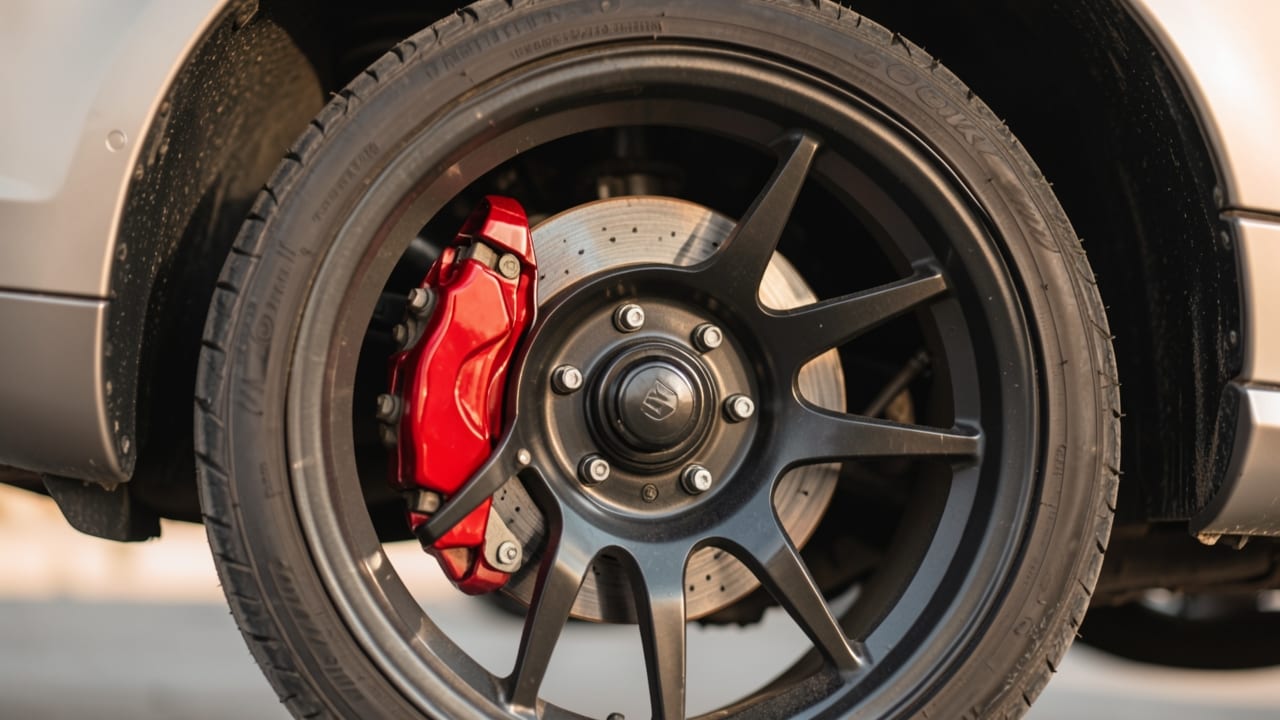
Wheel & Brake Caliper Ceramic Coating in Albuquerque, NM
Dedicated ceramic coating for wheels and brake calipers in Albuquerque, NM — stops brake dust and corrosive grime from bonding to the finish.
Learn More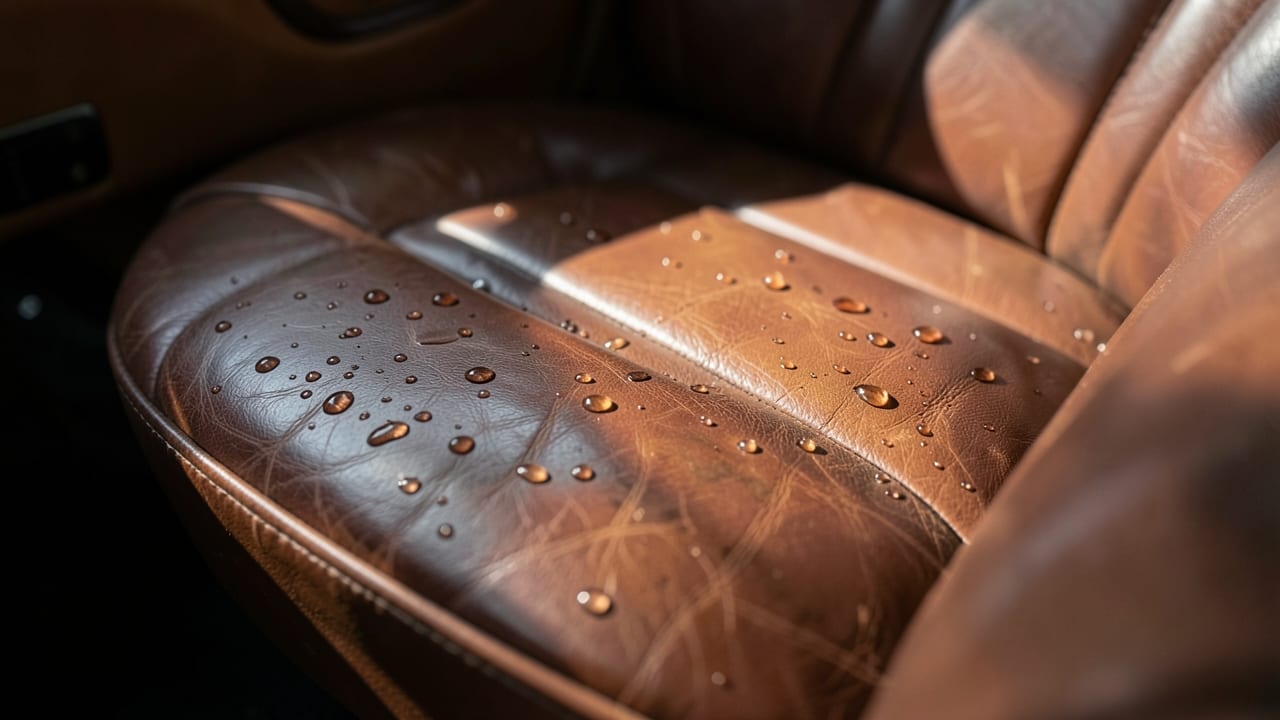
Interior Ceramic Protection in Albuquerque, NM
Interior fabric, leather, and trim ceramic protection in Albuquerque, NM — guards against spills, UV fading, and daily wear.
Learn More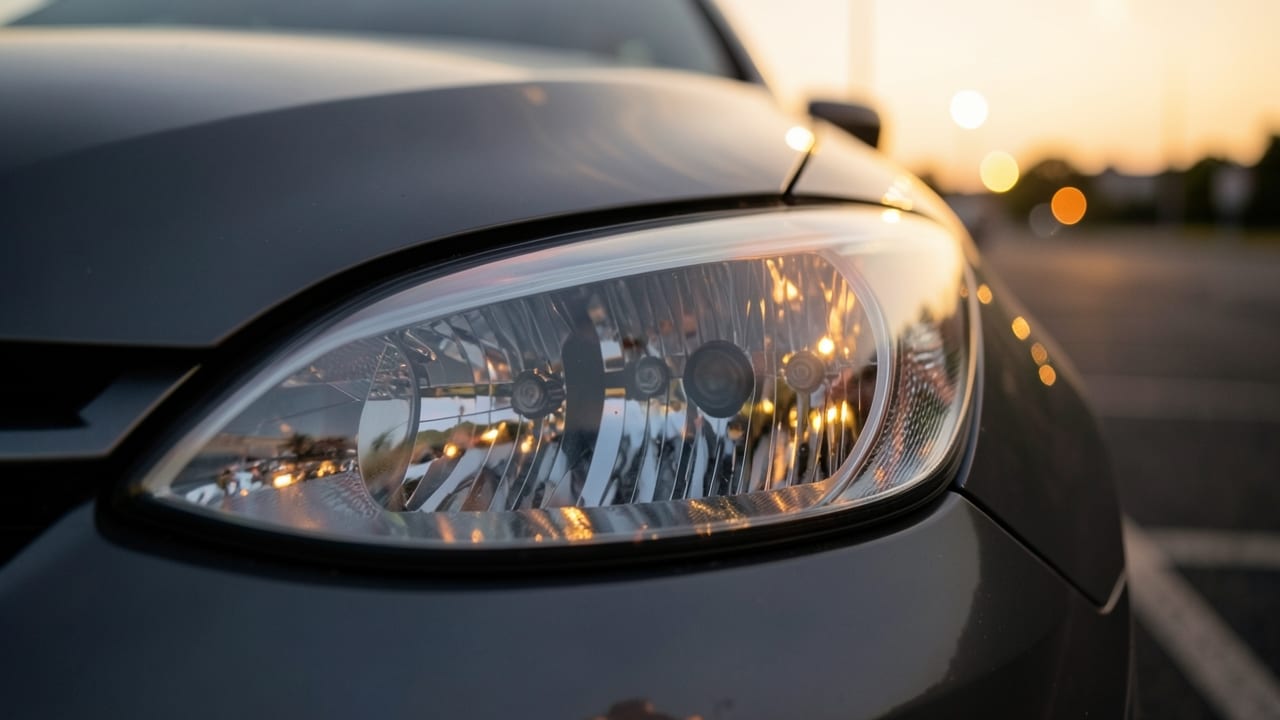
Headlight Restoration & Coating in Albuquerque, NM
Headlight restoration and UV-protective coating in Albuquerque, NM — restores clarity and nighttime visibility without replacing the assembly.
Learn More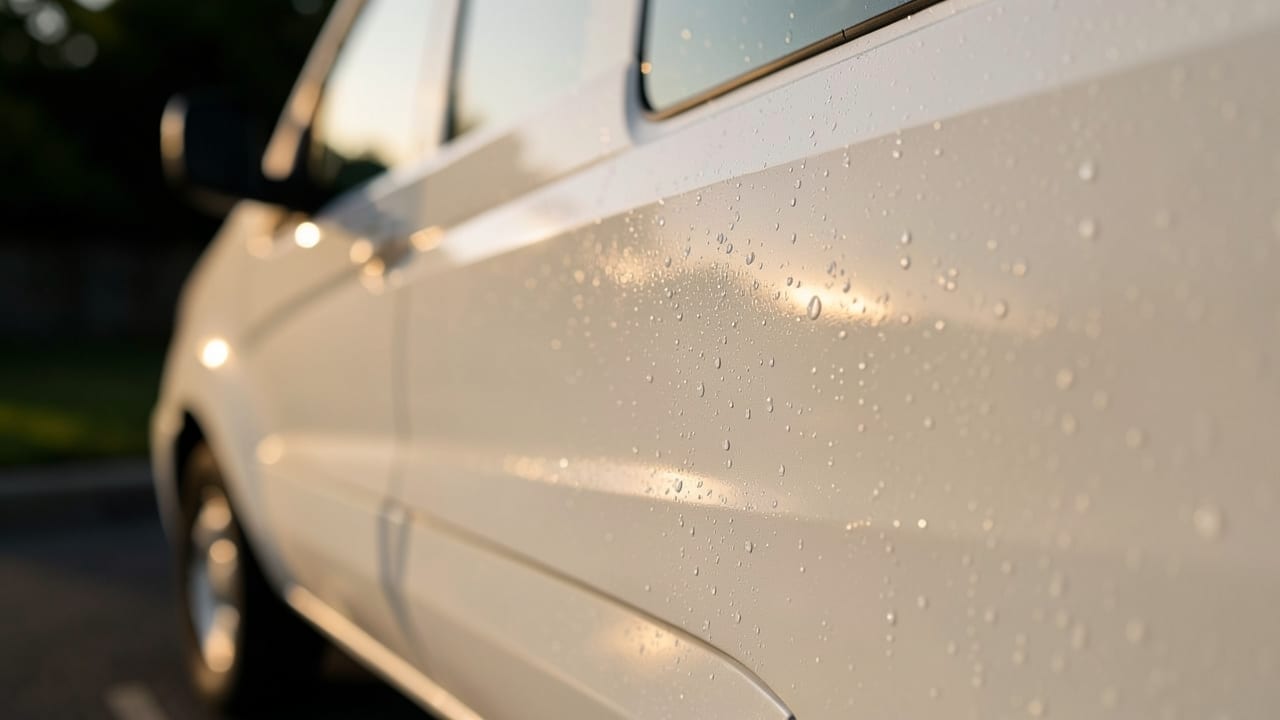
Fleet & Commercial Vehicle Coating in Albuquerque, NM
Ceramic coating programs for fleets and commercial vehicles in Albuquerque, NM — faster washing, longer-lasting branded wraps, and protected resale value.
Learn More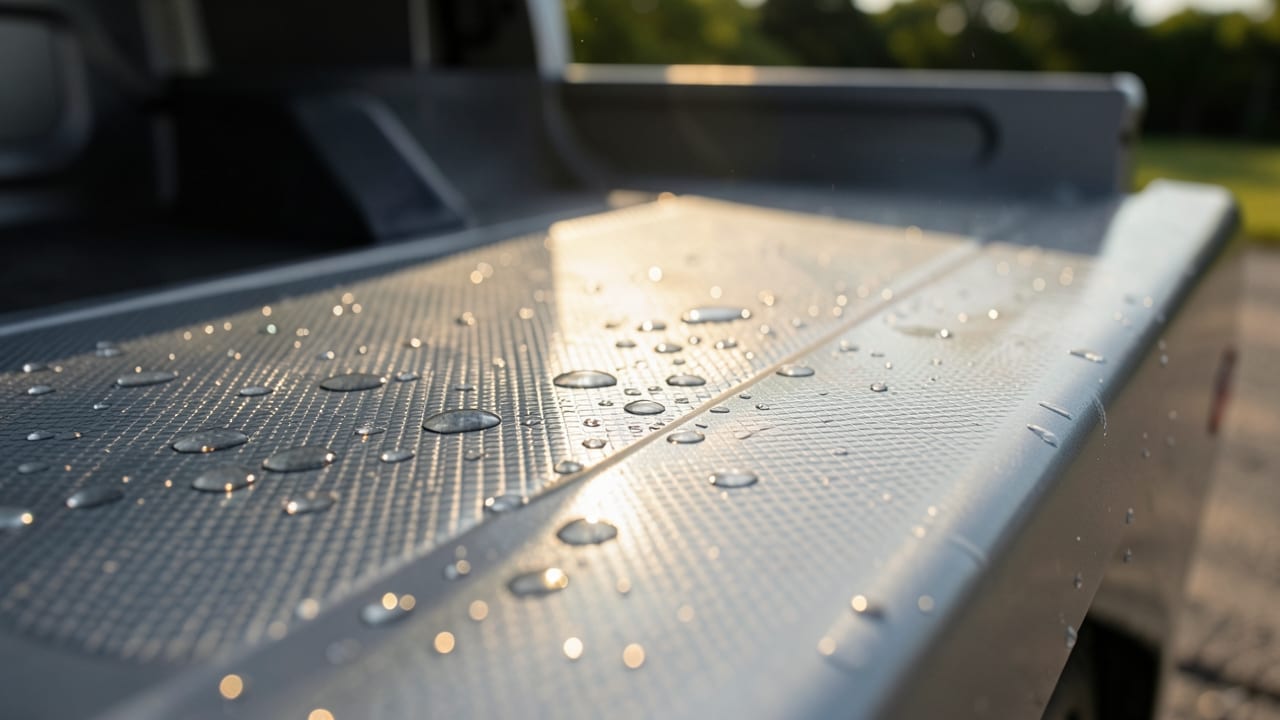
Graphene Coating in Albuquerque, NM
Graphene coating in Albuquerque, NM — a premium ceramic alternative with better heat rejection and hydrophobic durability.
Learn MoreCommon Questions About Ceramic Coating in Albuquerque
Everything you need to know about ceramic coating services in Albuquerque
How much does Oxidation Removal typically cost in Albuquerque, NM?
Does intense UV and dust in Albuquerque, NM change coating maintenance?
Can ceramic coating be applied over a vinyl wrap or matte paint?
What does proper paint prep before a ceramic coating actually involve?
How should a coated vehicle be washed after the coating is applied?
Will a ceramic coating stop rock chips or scratches?
Need Ceramic Coating in Albuquerque?
Get a written quote from our Albuquerque crew.
⏰ We answer your call • Serving all of Albuquerque and surrounding areas