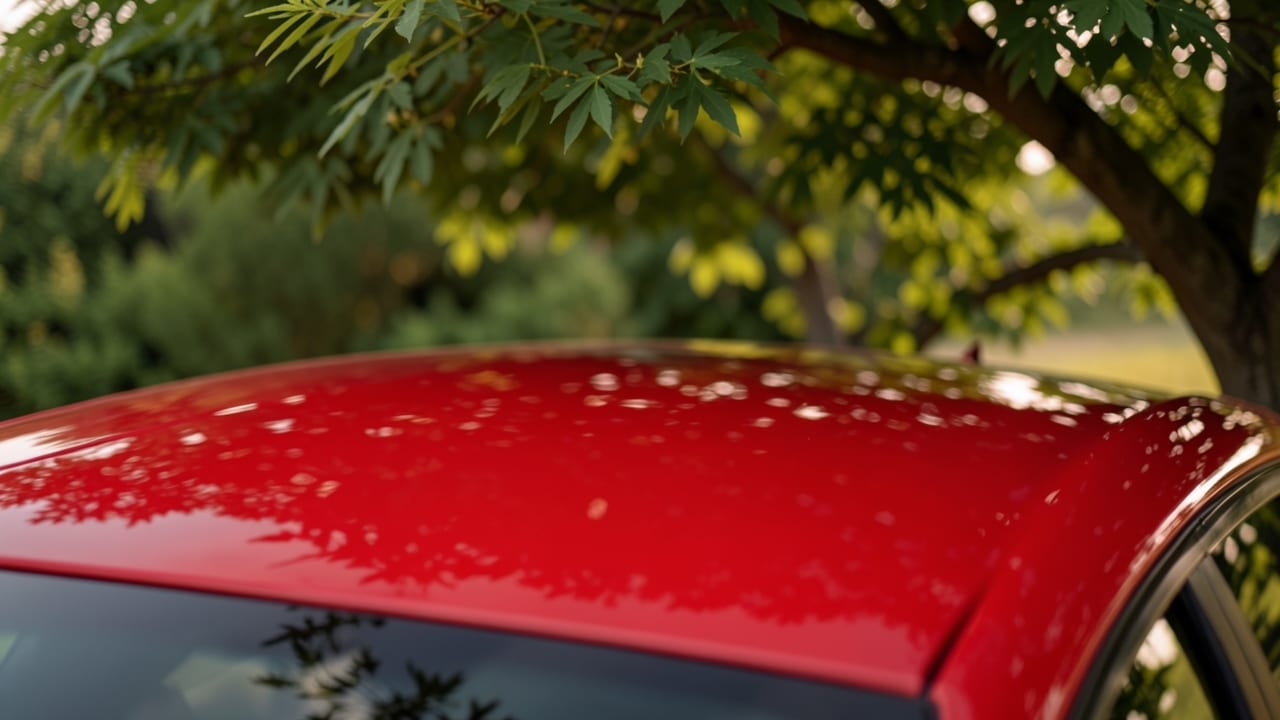
Tree Sap Removal
Professional removal of tree sap from vehicle surfaces using safe, paint-friendly methods.
Tree sap removal in Albuquerque is essential for protecting your vehicle’s paint from sticky, long-lasting residue that can dull finishes and embed into clear coats over time. Albuquerque’s mix of pine, cottonwood, and mesquite trees means sap buildup is common, especially in neighborhoods like Rio Rancho and Corrales.
Professional removal uses targeted chemicals and mechanical methods to lift sap without damaging paint, followed by protective coatings to prevent future adhesion. Acting quickly keeps sap from etching or leaving permanent marks that require paint correction later.
We also handle Wheel & Brake Caliper Ceramic Coating and Interior Ceramic Protection for Albuquerque vehicles.
When tree sap needs professional removal
Not all sap stains are the same. Fresh sap may rinse off with water, but once it hardens or embeds—especially on dark or matte finishes—it requires specialized treatment. Look for sticky residue that resists normal washing, leaves a faint shadow after wiping, or reappears after parking under the same tree.
Sap that feels gritty or leaves a film even after scrubbing has likely bonded below the surface, making it a bonded contaminant that needs chemical breakdown.
Albuquerque’s dry climate can make sap removal trickier. The sun’s UV rays cause sap to oxidize faster, turning it into a stubborn, tar-like substance that clings to paint. If your vehicle’s finish feels rough or looks dull in direct sunlight, even after washing, it’s likely time for professional decontamination.
Ignoring embedded sap can lead to swirl marks or permanent discoloration, especially on lighter or clear-coated surfaces.
Signs Your Vehicle Needs Sap Removal
- Sap residue that doesn’t fully rinse off with water or soap.
- A sticky or tacky feeling on the paint after washing.
- Visible sap spots that reappear after parking under the same tree.
- Paint that feels gritty or bumpy when touched, even after a wash.
- Faint shadows or discoloration where sap was previously removed.
- Swirl marks or haze appearing in areas where sap was scrubbed.
How Albuquerque’s climate affects sap buildup
Albuquerque’s combination of pine forests, cottonwood trees along the Rio Grande, and dry, sunny weather creates ideal conditions for sap to harden and bond to vehicle surfaces.
Unlike rainier climates where sap washes away more easily, Albuquerque’s lack of frequent rain means sap lingers longer, increasing the risk of permanent damage. Areas like Sandia Park and Placitas, surrounded by dense woodlands, see higher sap exposure, making regular inspections critical.
The altitude and UV intensity in Albuquerque also accelerate sap oxidation. What starts as a sticky blob can turn into a brittle, tar-like substance within days, embedding deeper into clear coats.
This makes timely removal even more important—waiting too long can turn a simple spot treatment into a full paint correction job.
What happens if you skip sap removal?
Leaving tree sap untreated can lead to more than just an unsightly appearance. Embedded sap acts like sandpaper during washing, causing fine swirl marks that degrade the clear coat over time.
In Albuquerque’s bright sunlight, these marks become more noticeable, reducing your vehicle’s resale value and making future paint correction more expensive. Sap can also trap dirt and pollutants, accelerating oxidation and fading.
Another risk is the sap’s adhesive properties attracting more debris, like bird droppings or industrial fallout, which compound the damage. Once sap etches into the paint, even professional cleaning may not fully restore the original finish, leaving a permanent dullness or streaking.
Regular decontamination—not just washing—keeps your vehicle’s paint protected between professional ceramic coatings.
| Contaminant Type | Risk If Left Untreated | Professional Solution |
|---|---|---|
| Fresh tree sap | Sticky residue, attracts dirt, minor swirls | Water rinse + mild solvent |
| Hardened sap (3+ days) | Embedded film, permanent dulling, swirl marks | Chemical breakdown + clay bar |
| Oxidized sap (1+ week) | Etched paint, irreversible discoloration | Paint correction + full decontamination |
| Sap + brake dust mix | Rust spots, clear coat degradation | Iron remover + chemical treatment |
How tree sap removal works
Professional sap removal follows a precise process to avoid damaging your vehicle’s paint.
- 1Contaminant Identification
The technician first inspects the sap under direct light to determine its stage—fresh, hardened, or oxidized—and whether it’s mixed with other contaminants like brake dust. This step ensures the right chemistry is used; for example, iron remover won’t work on sap but is critical if brake dust is present.
- 2Targeted Chemical Treatment
A specialized sap and adhesive remover is applied to the affected area and left to dwell (typically 2–5 minutes) to break down the sap’s bonding agents. Scrubbing too soon can smear the contaminant, so dwelling time is critical for effectiveness.
- 3Mechanical Lifting (If Needed)
After chemical treatment, a clay bar or mitt is gently worked over the area with a lubricant to lift any remaining residue. This step prevents micro-scratching by ensuring only dissolved sap is removed, not embedded particles.
- 4Rinse and Inspection
The vehicle is rinsed thoroughly, and the area is inspected under direct sunlight to confirm the sap is fully gone. Some contaminants appear removed indoors but reappear outdoors, so this step ensures no residue remains.
- 5Protective Follow-Up
A spray sealant or coating topper is applied to restore the paint’s protective layer, which may have been stripped during decontamination. This step prevents future contaminants from bonding as easily and maintains the vehicle’s finish between professional coatings.
Frequently asked questions
Can I remove tree sap myself, or should I hire a professional?
Fresh sap may rinse off with water and a mild solvent, but hardened or oxidized sap requires specialized chemicals and tools to avoid damaging the paint. Professionals use dwelling times, clay bars, and inspection under direct light to ensure complete removal—something DIY methods often miss, leading to recurring spots or swirl marks.
How long does tree sap removal take?
The process usually takes 1–2 hours per vehicle, depending on the sap’s severity and how many panels are affected. Simple spots may finish in 30–45 minutes, while embedded or widespread sap requires longer chemical dwelling and mechanical lifting. The technician will provide an estimate during your initial inspection.
Will tree sap removal leave my paint looking shiny again?
Yes, but only if the sap hasn’t etched the clear coat. Professional removal restores the paint’s original gloss by lifting contaminants and applying a protective topper. If the sap caused swirl marks or oxidation, additional paint correction may be needed to fully restore shine.
How often should I get my vehicle’s sap removed in Albuquerque?
If you park under trees frequently, aim for spot treatments every 1–3 months during sap-heavy seasons (spring and fall). Regular washing won’t prevent embedded sap, so professional decontamination 2–4 times a year keeps your paint protected. Parking in shaded or covered areas reduces the need for frequent treatments.
Where Albuquerque sits, and what the Census lists nearby
Albuquerque sits in New Mexico, and the closest places listed in the U.S. Census Gazetteer are Los Ranchos de Albuquerque (4 miles north), North Valley (4.9 miles north), Kirtland AFB (6.2 miles southeast), South Valley (6.9 miles south).
Within 25 miles of Albuquerque the same source lists 40 distinct incorporated places and census-designated places.
Those figures matter for tree sap removal because they are straight-line distances between Census coordinate points: road mileage between Albuquerque and Los Ranchos de Albuquerque runs longer than the 4 miles shown, which is why quotes for the same job differ between towns that look close together on a map.
Source: U.S. Census Bureau Gazetteer.
See Paradise Hills, NM for more, or check out the full ceramic coating lineup we run in Albuquerque before booking for our complete lineup.
Ready to get started?
Talk to a local ceramic coating pro in Albuquerque — get a written quote.
Other Ceramic Coating Services in Albuquerque
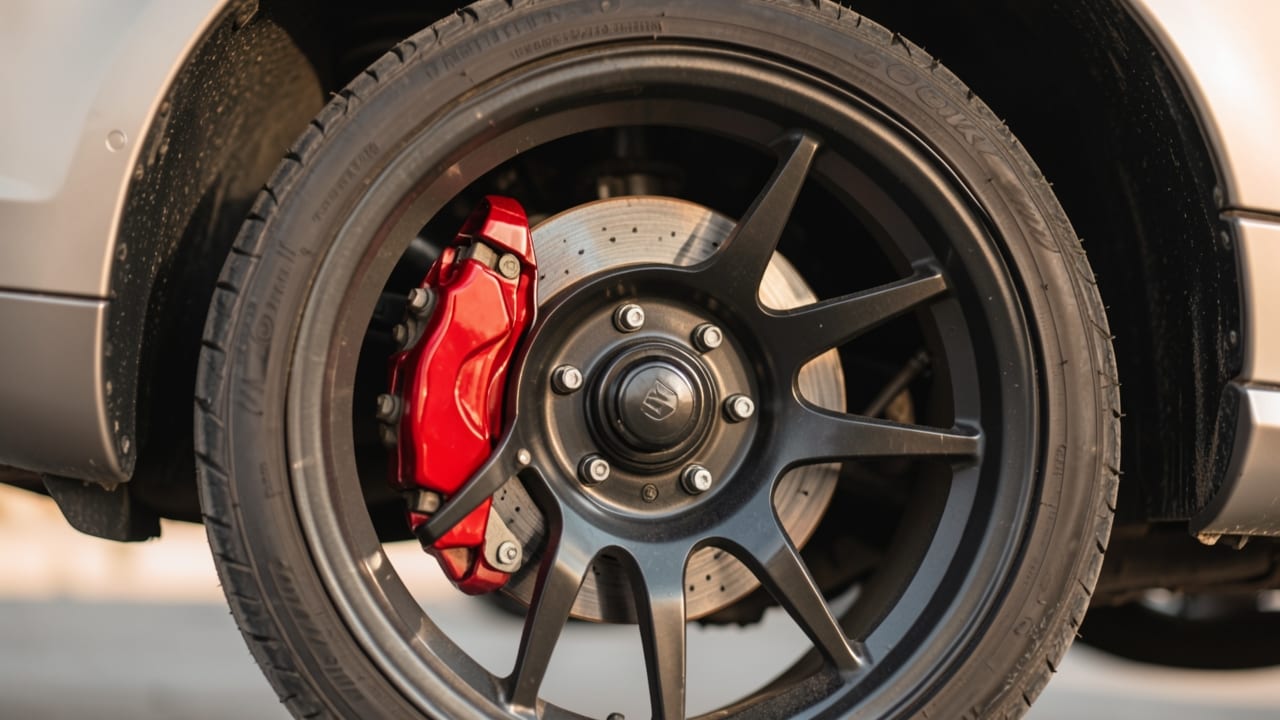
Wheel & Brake Caliper Ceramic Coating in Albuquerque, NM
Dedicated ceramic coating for wheels and brake calipers in Albuquerque, NM — stops brake dust and corrosive grime from bonding to the finish.
Learn More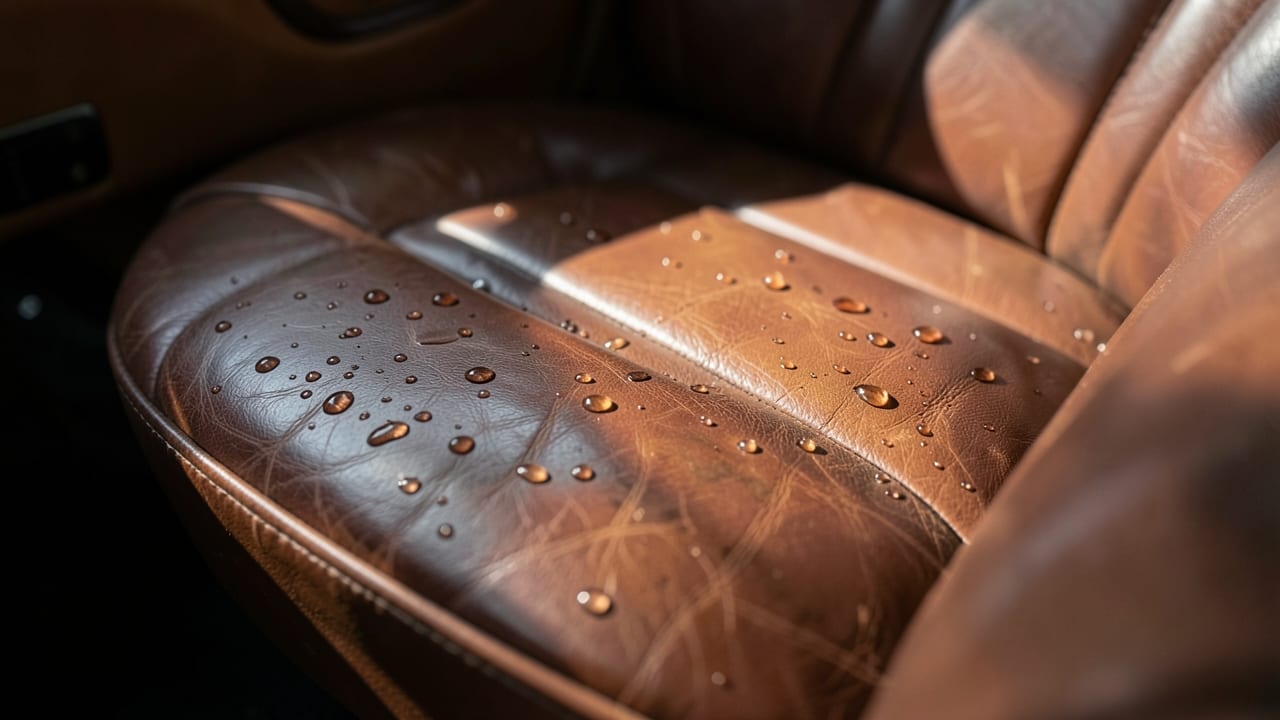
Interior Ceramic Protection in Albuquerque, NM
Interior fabric, leather, and trim ceramic protection in Albuquerque, NM — guards against spills, UV fading, and daily wear.
Learn More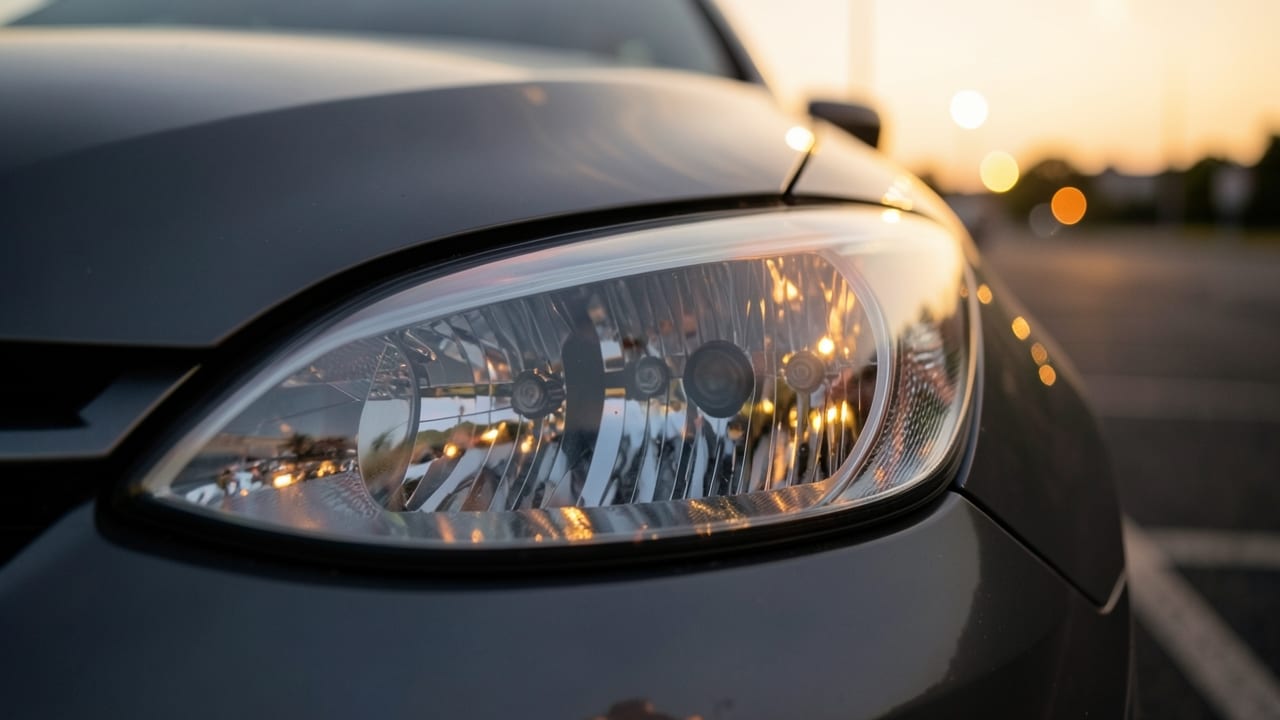
Headlight Restoration & Coating in Albuquerque, NM
Headlight restoration and UV-protective coating in Albuquerque, NM — restores clarity and nighttime visibility without replacing the assembly.
Learn More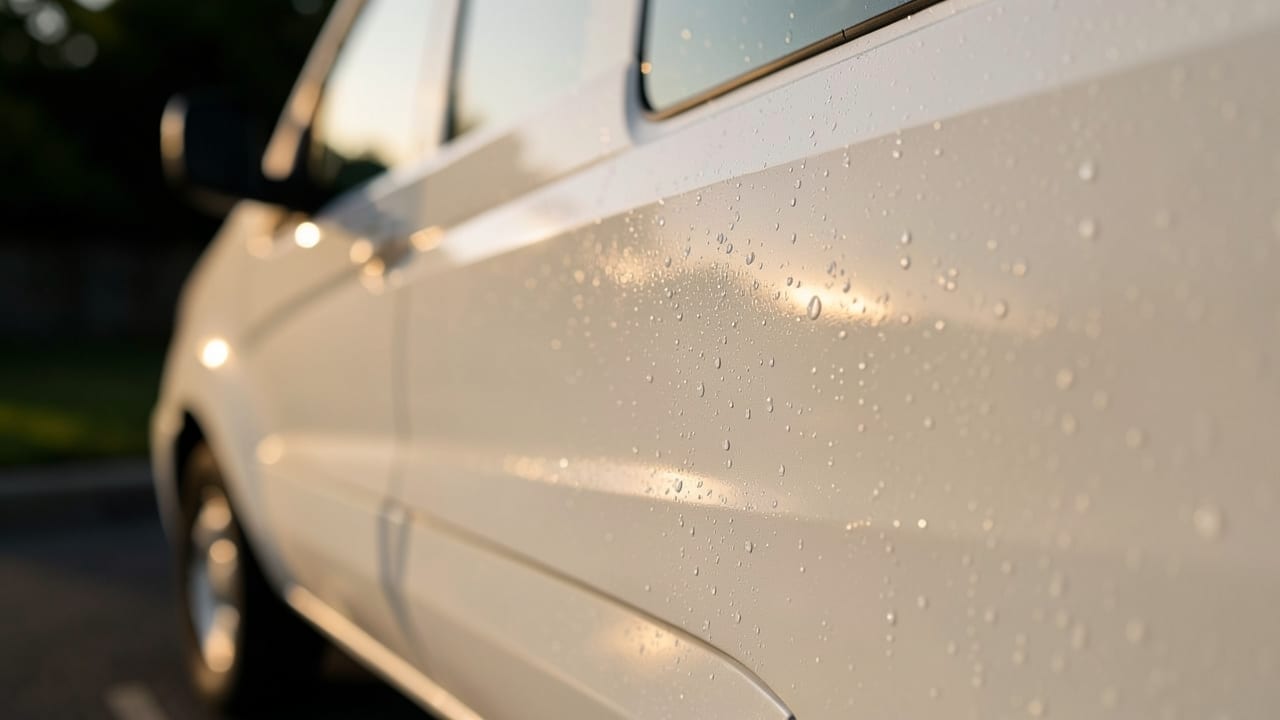
Fleet & Commercial Vehicle Coating in Albuquerque, NM
Ceramic coating programs for fleets and commercial vehicles in Albuquerque, NM — faster washing, longer-lasting branded wraps, and protected resale value.
Learn More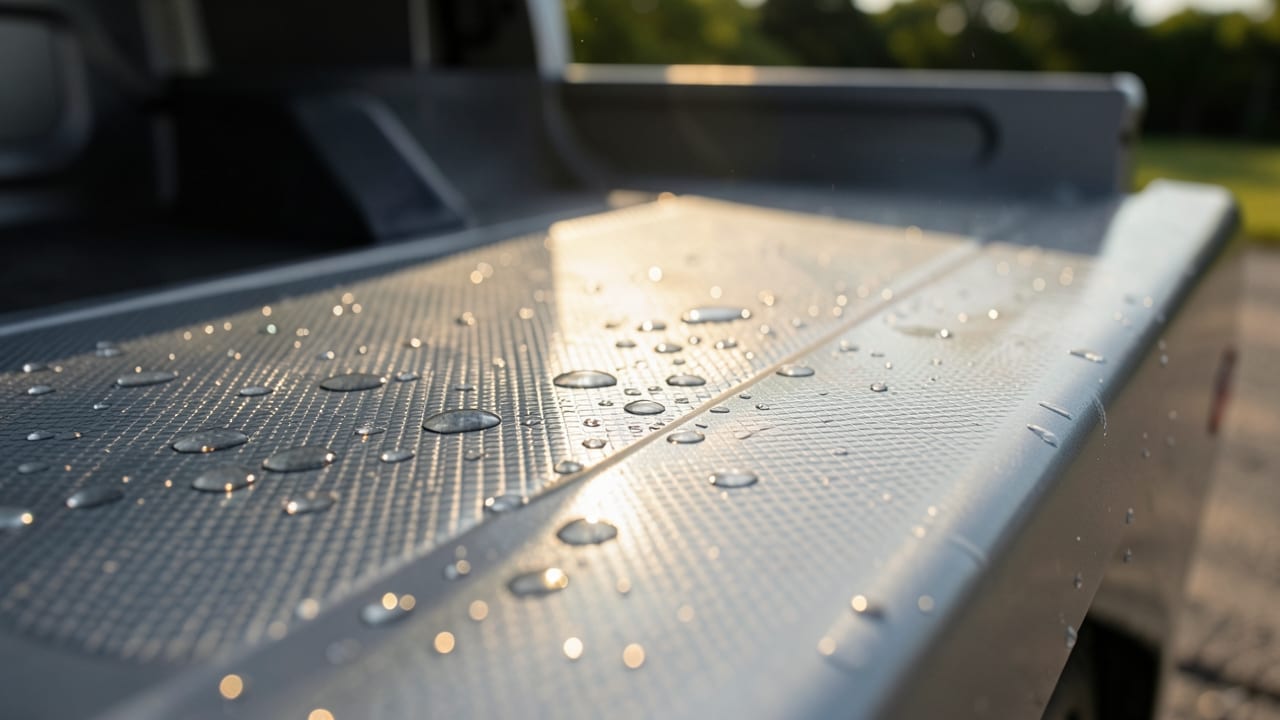
Graphene Coating in Albuquerque, NM
Graphene coating in Albuquerque, NM — a premium ceramic alternative with better heat rejection and hydrophobic durability.
Learn More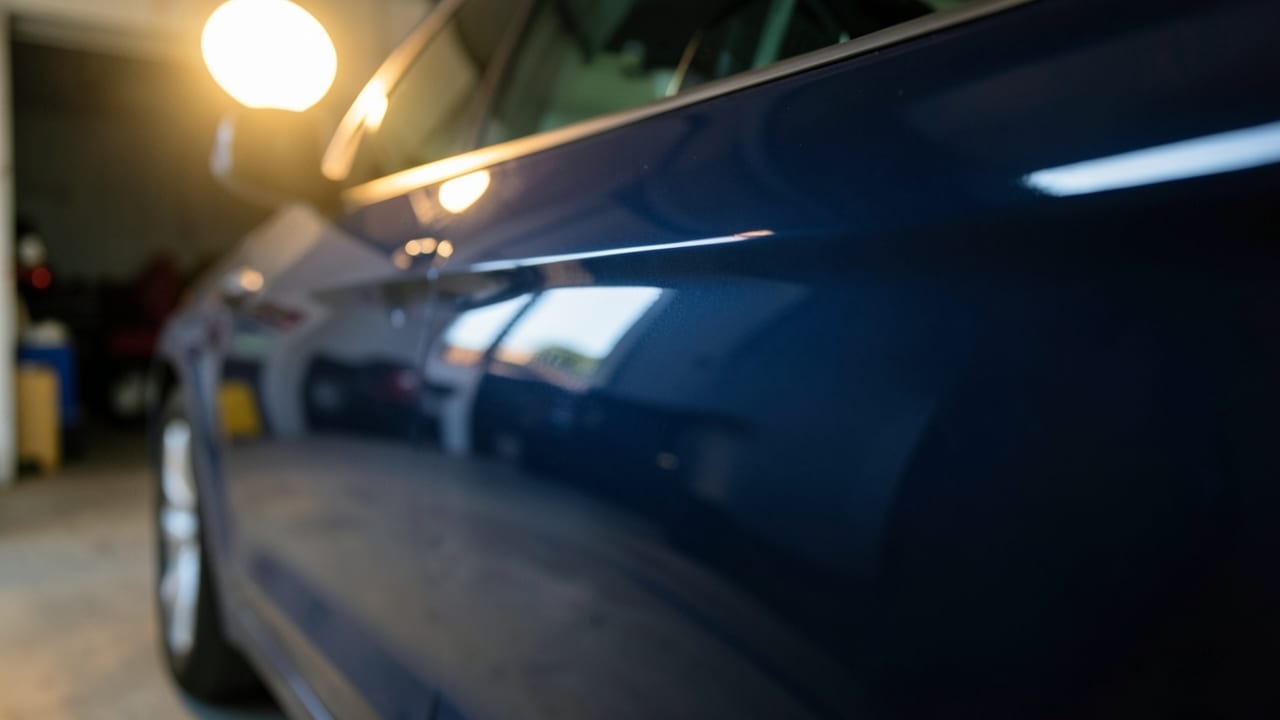
Clay Bar Paint Decontamination in Albuquerque, NM
Clay bar paint decontamination in Albuquerque, NM removes bonded surface contaminants a wash alone can't touch, before coating or correction.
Learn MoreCommon Questions About Ceramic Coating in Albuquerque
Everything you need to know about ceramic coating services in Albuquerque
How much does Tree Sap Removal typically cost in Albuquerque, NM?
Does intense UV and dust in Albuquerque, NM change coating maintenance?
How should a coated vehicle be washed after the coating is applied?
Will a ceramic coating stop rock chips or scratches?
What's the actual difference between wax, paint sealant, and ceramic coating?
Can ceramic coating be applied at home instead of by a detailing shop?
Need Ceramic Coating in Albuquerque?
Get a written quote from our Albuquerque crew.
⏰ We answer your call • Serving all of Albuquerque and surrounding areas